This interview covers:
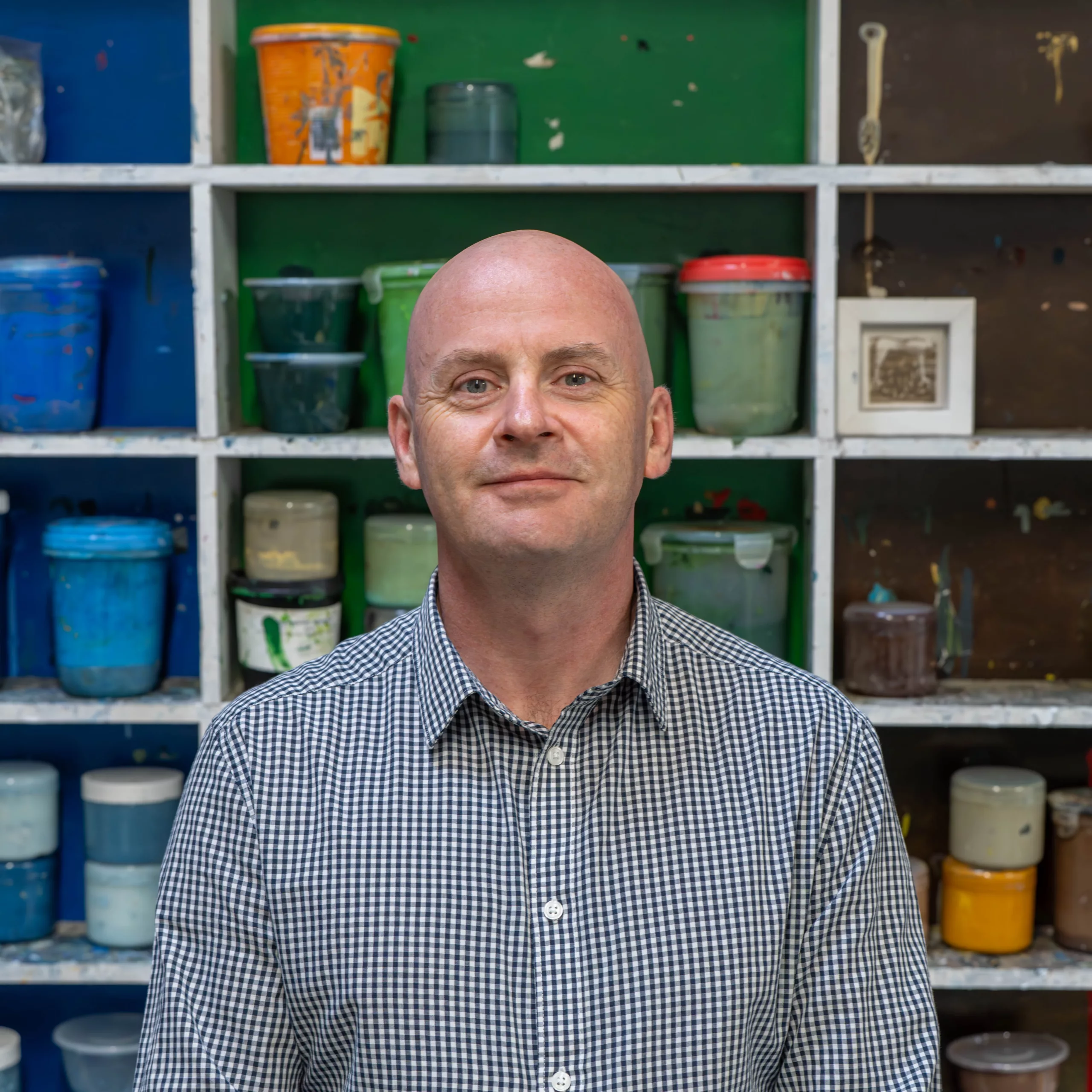
It takes time to build the kind of conviction Ross Poole carries. The founder of Tighnabruaich Gallery and the Scottish Contemporary Collective arrived at his role through years of survival, then eventually rediscovery through afternoon garden sketches, an evening class, and a sense of stability created with his family.
That rediscovery led Ross to Tighnabruaich, where he bought the gallery and created the Scottish Contemporary Collective – a residency and mentorship programme built around what emerging artists actually need: business skills, technical support, and a transparent pathway into sustainable careers.
The inaugural ‘Michael Harding’ Secret Coast Prize for Fine Art is the next evolution of that vision: a celebration of honest, handmade work where Academicians hang beside students, where transparent commission models fund emerging talent, and where every element reflects Ross’s uncompromising values of fairness, access, and integrity.
Ross talked to us about returning to the child who drew endlessly, building something that didn’t exist when he needed it, and why shifting power back to artists rattles the cages of people who’ve held the keys for too long.
Visit The Michael Harding Secret Coast Prize for Fine Art
The exhibition brings together shortlisted artists working in painting, drawing, printmaking, ceramics, and sculpture.
30th November – 21st December 2025
A “gentle artist” didn’t fit the character I thought I needed to survive.
I’m a working-class guy from Clydebank, an industrial, shipbuilding town on the outskirts of Glasgow. I was a prolific drawer as a child and absolutely convinced I’d be an artist one day. Then life happened. I lost my mum at ten, and when I look back, that’s when I stopped doing the things that brought me joy. The love of art never left, but when you grow up in a tough environment you learn to build armour.
My early life — right into my twenties — was heavy, complex, and shaped by trauma. The thread running through it all is that I wasn’t living as my authentic self. That disconnection was at the heart of a lot of my difficulty navigating the world as a young adult.
Things began to shift when I met my wife Shumela, and we had our children. That was the start of the road out. We moved from Glasgow to rural Stirlingshire when my youngest son Jacob was a few months old. I started a business in a completely different field while studying at Stirling University. That period gave me stability, space, and, for the first time, room to heal.
I felt, for the first time in adulthood, that I wasn’t living in survival mode.
In 2020 I had serious health issues, then lockdown arrived. The business couldn’t trade, my wife continued working in her social enterprise, and I home-schooled Jacob in the mornings. The afternoons were spent in the garden sketching in the sunlight. Those garden sketches changed everything.
My wife, Shumela, bought me an evening class at Glasgow University. A simple gift, but it cracked something open that couldn’t be closed again. After that I hunted for more classes, eventually finding an academic drawing school in Glasgow’s East End. My tutor there was involved in an art prize in October 2023. I was so energised by the conversations we had that I offered to sponsor the main prize.
On the night of the preview, I felt something I hadn’t felt in decades — like I’d come home. Like the child who drew endlessly had finally made it back. That night planted the seed for the Scottish Contemporary Collective. I spoke with the mother of an emerging artist — a young talent who is now part of our first cohort — and she expressed the fear every parent of an art graduate feels: “How will my daughter survive without the business skills to build a career?” I realised I could help. I knew I could build something that didn’t exist when I needed it.
The morning after this, I was in Tighnabruaich on holiday. I fell in love with the place instantly — the landscape, the stillness, the sense of possibility. I wasn’t well at the time, and it felt like I was literally healing there. I spotted a house for sale, viewed it, and we eventually bought it. During the Easter holidays with Jacob, I noticed the gallery was for sale. That was the bridge between the idea and the reality.
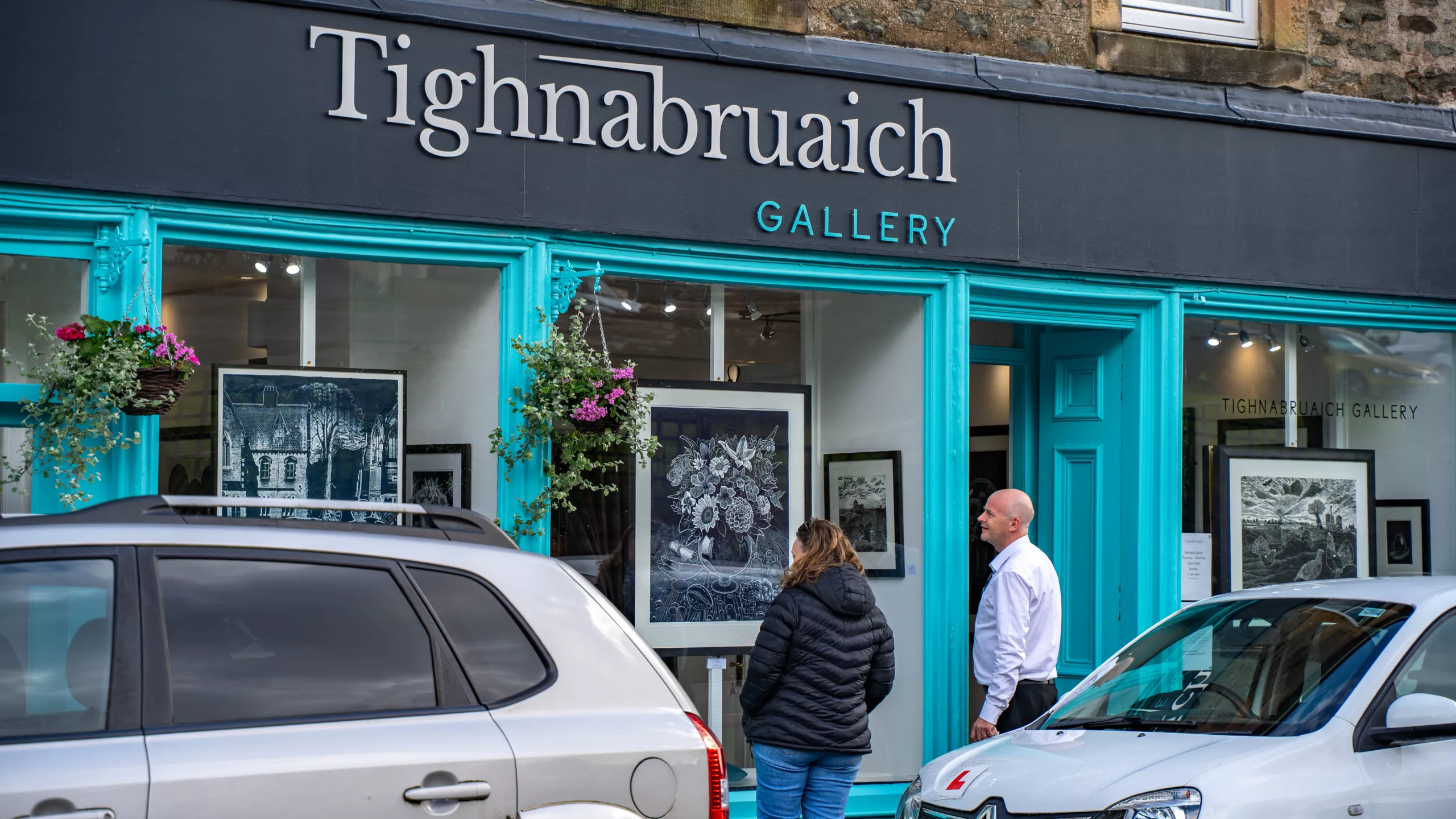
This is the work I was meant to do. And everything that came before – even the hard parts – led me here.
I bought the Tighnabruaich Gallery and piloted the first phase of what is now becoming the Scottish Contemporary Collective — a residency, mentorship, and development programme shaped entirely around the needs of emerging artists.
The ‘Michael Harding’ Secret Coast Prize for Fine Art is an extension of that idea: opening our doors wider, welcoming artists at every stage, and using our commission model to fund the talent who need support most. It’s our chance to build something national and inclusive — a prize where Academicians hang beside students, where local artists share the walls with international names, and where every sale helps build a more equitable future for the arts.
My role right now is everything — I’m wearing every hat you can imagine.
Including curating, hanging, scheduling, admin, sales, accounting, marketing, social media, operations, community building. That’s partly because this has been entirely self-funded so far, and partly because I want to understand every inch of what we’re creating.
I also still run my other business, so life is full and intense. But the aim is for this work — the gallery, the Collective, the prize — to become my full career. Over time we’ll transition into a structured not-for-profit where capacity grows across the Collective itself. Artists developing artists. Skills passed forward. A circular model where responsibility, learning, and leadership are shared.
If I’m being fully honest, there’s no morning yoga, journaling, or green juice in my morning routine.
My mornings aren’t glamorous or structured. They’re real. I wake early, have coffee while my wife has tea, and I listen to her — she’s the ballast in my life. One of us takes Jacob to school depending on who’s less frantic that day. It’s coffee and cigarettes before diving into whatever the day demands.
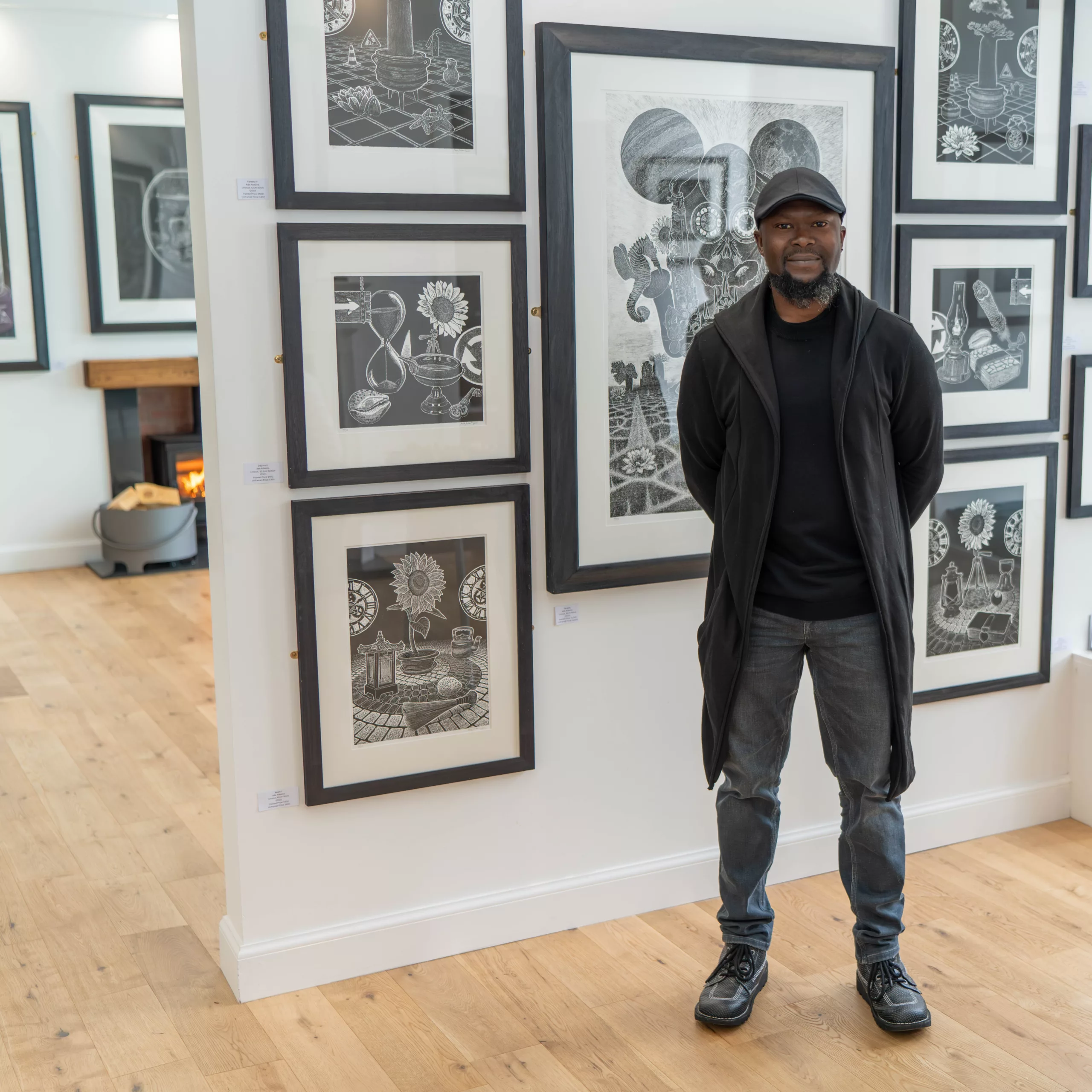
Everything we do, from our commission model to our mentorship to our open call — comes back to these principles.
My core values are simple but uncompromising:
- Fairness – Artists should be treated with dignity, transparency, and respect.
- Access – Talent exists everywhere; opportunity doesn’t. Our work exists to close that gap.
- Integrity – No exploitation, no gatekeeping, no smoke and mirrors.
- Community over hierarchy – We build upward by building outward.
- Reinvestment – Artists’ success should feed back into supporting emerging artists.
- Courage – Be bold enough to do things differently, even if it challenges the status quo.
- Humanity – We deal with people, not products. Stories, not commodities.
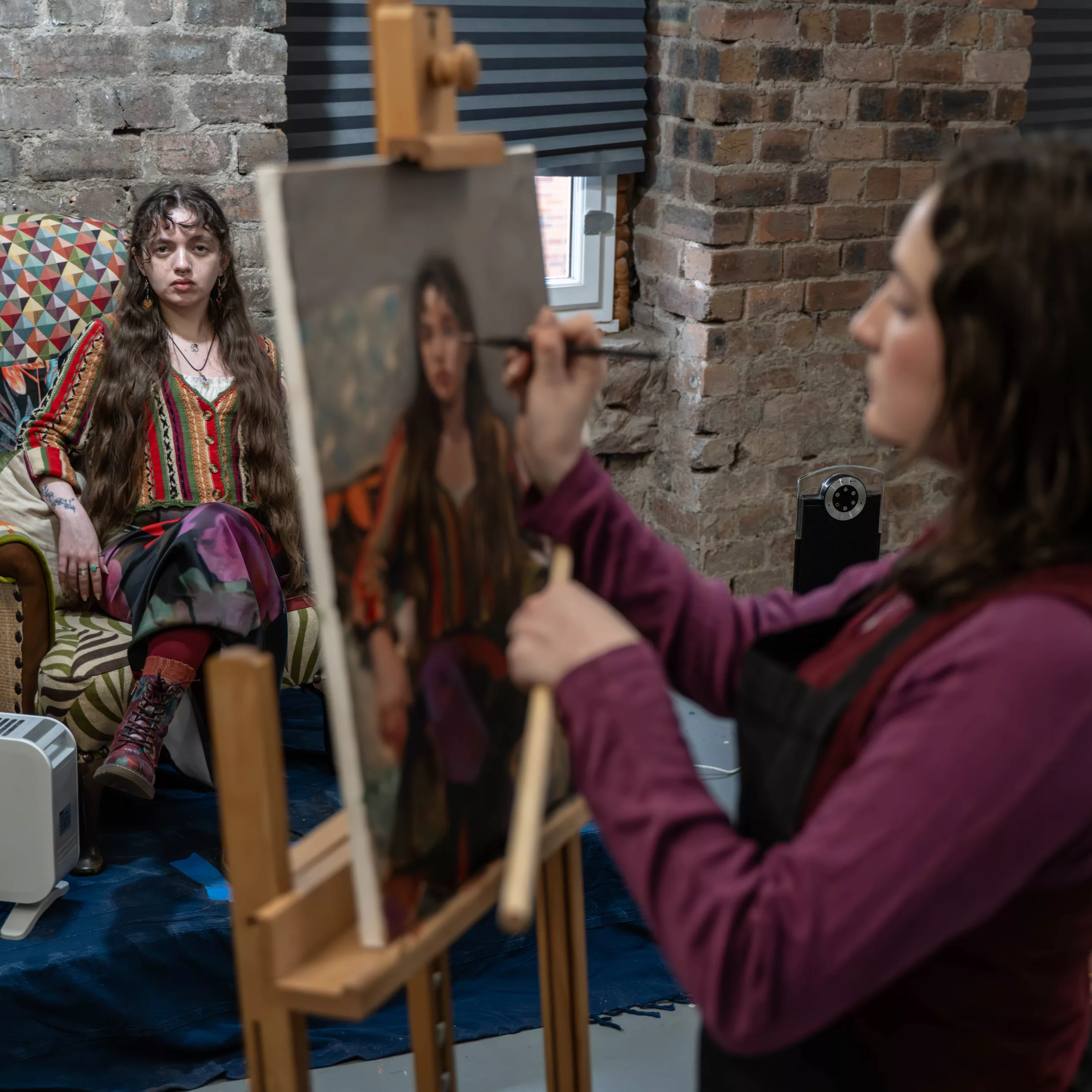
When you’re shifting power back to artists, it rattles the cages of the people who’ve held the keys for too long.
One thing I’ve learned is that some people in the industry pretend not to understand what we’re doing — not because it’s complex, but because the current system benefits them.
We’re creating an equitable model that gives early-career artists stability, business training, technical support, and a pathway into a sustainable career. Universities aren’t teaching these skills anymore. Artists are graduating into a void. Our commission model is transparent:
- 33% for early-career artists.
- 44% for established artists.
- 11% reinvested directly into emerging talent.
No hidden margins. No smoke and mirrors. Just a circular system: artists supporting artists. The arts matter as much to wellbeing as health, education, and community. Creativity shouldn’t be a luxury. Our work is about pulling down barriers and giving people back their creative freedom.
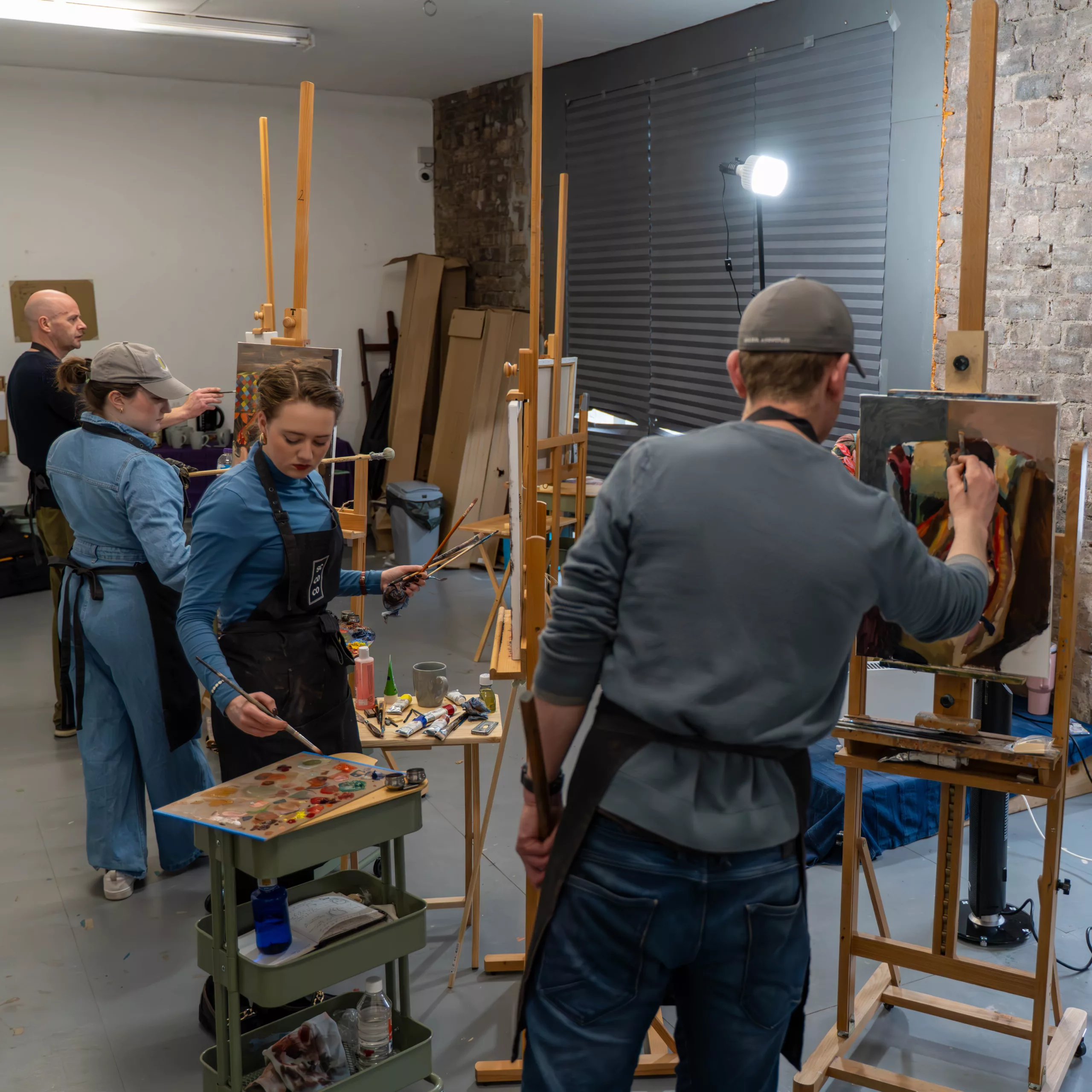
Nothing compares to curating and standing inside a workshop with the Collective.
The room changes. The energy shifts. Artists are pushed, mentors are stretched, and ideas begin to move in ways you could never script.
You watch people break through something — sometimes quietly, sometimes all at once — and the whole space feels charged with possibility.
Outside of my personal life, this is the place where I feel most alive.
Seeing artists develop in real time, witnessing those moments where everything clicks — curating that environment, holding that space — it’s the greatest privilege of the work I do.
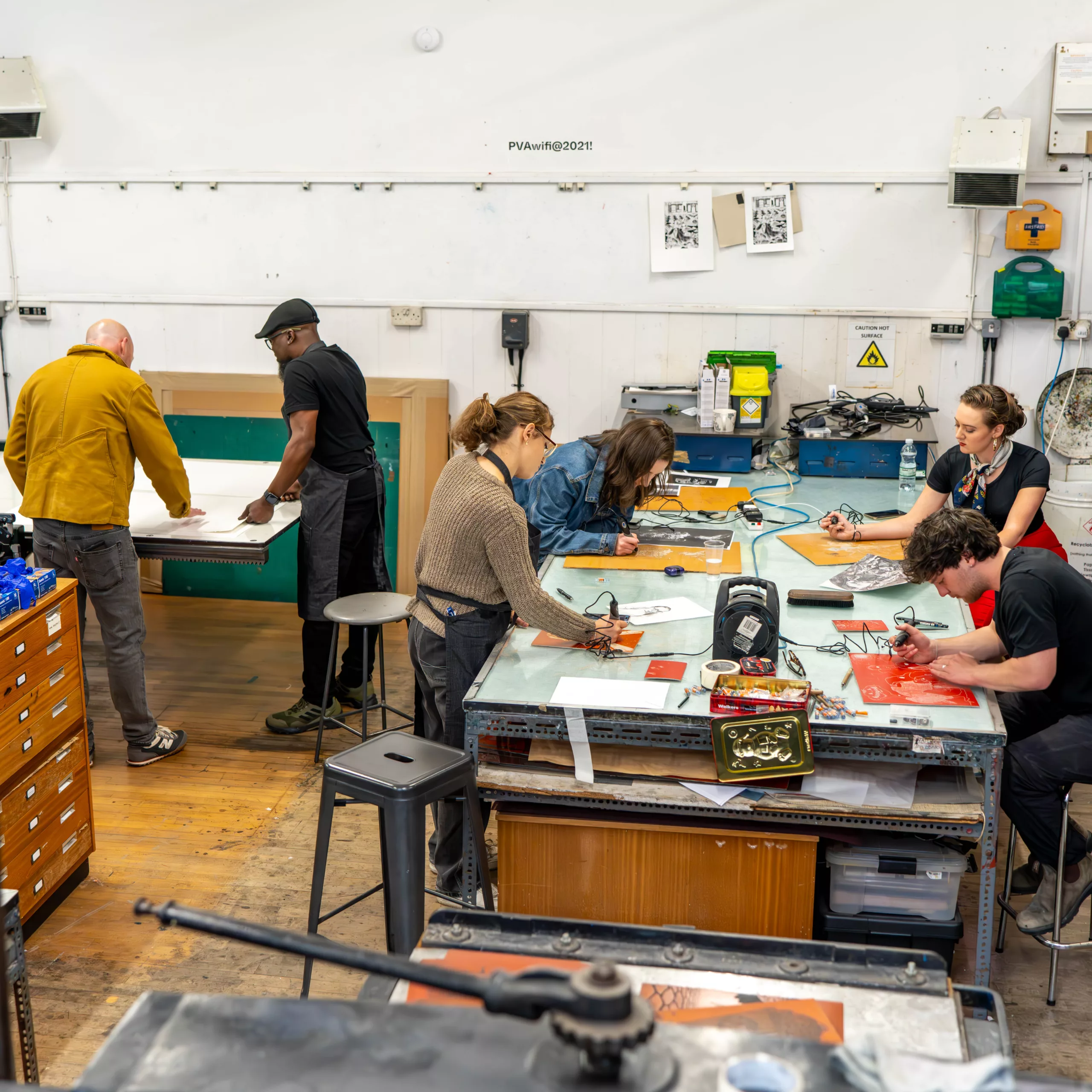
When I’m making art, nothing else exists except the next line, the next shadow, the next soft edge.
Switching off doesn’t come naturally to me — I’m always switched on where work is concerned. So my grounding comes from time with my family: my wife, and my sons Patrick and Jacob. My happiest moments outside the gallery are watching Jacob play rugby (and years back, watching Patrick play football).
Travel helps too — Spain especially. The pace, the warmth, the light. And when my health allows, drawing and painting are the only things that make time disappear completely.
For an organisation built on fairness and opportunity, that alignment was everything.
For someone who isn’t particularly tech-savvy, Zealous was easy to use and integrated into our open call process almost seamlessly. I looked at a number of platforms, but Zealous stood out from the outset. A few things made the decision easy:
- Speed & clarity – we could build and publish an opportunity quickly.
- Fair, transparent fees – essential for keeping submissions accessible.
- Values – This was the biggest factor. Zealous felt aligned to our mission of widening access, reducing barriers, and treating artists with dignity.
- Support – Their team has been unbelievable. They genuinely care. They’re trying to build a healthier ecosystem for artists, not an exploitative one.
I’ve learned a lot from this first open call — lessons I’ll take forward to make the next one even smoother and more accessible. But the platform itself? It’s been brilliant. And I’m excited for what comes next: the online exhibition, the growth of the Prize, and where this partnership could take us in 2026 and beyond.
The set-up was straightforward, the support was outstanding, and it allowed us to launch something ambitious at short notice.
Insights like these straight to your inbox
Receive weekly tips from our founder to grow your program’s impact; regardless of what tools you use.
The Opportunity Makers Series
This is the second feature in our Opportunity Makers series, following Isabel H Langtry’s feature on the London Sculpture Prize. This series celebrates the people who create opportunities for artists, but it goes deeper than that. We want to understand what drives them, what they’ve learned, and how they’re quietly reshaping what’s possible for creatives.
Ross’s journey building the Scottish Contemporary Collective, Tighnabruaich Gallery and the Secret Coast Prize shows what happens when someone decides to build the ladder they wish had existed for them.
Want us to write more content like this? Give it a like
Share
Carmela Vienna
Frequently Asked Questions
When is the Secret Coast Prize for Fine Art Exhibition?
The Secret Coast Prize for Fine Art exhibition runs from 30th November to 21st December 2025 at Tighnabruaich Gallery. The preview and awards ceremony took place on Saturday 29th November from 3pm-6pm, where winners were announced across three prize categories: The ‘Michael Harding’ Secret Coast Prize for Fine Art, The Argyll & Bute Prize, and The Early Career Prize.
Who is Ross Poole?
Ross Poole is a working-class artist from Clydebank, founder of Tighnabruaich Gallery and the Scottish Contemporary Collective (SCCOCO)—a residency, mentorship, and development programme for emerging artists.
After sponsoring an art prize in 2023, Ross realised he could build the support system that didn’t exist when he needed it. He bought Tighnabruaich Gallery in 2024 and is reshaping how artists are supported in Scotland through transparent commission models and genuine skill-building opportunities.
What is the Scottish Contemporary Collective?
The Scottish Contemporary Collective (SCCOCO) is a residency, mentorship, and development programme built entirely around what emerging artists actually need. Founded by Ross Poole, it addresses the gap left by universities that no longer teach business skills, providing early-career artists with stability, technical support, business training, and a pathway into sustainable careers.
It’s a circular system where artists support artists, built on values of fairness, access, integrity, and community over hierarchy.
What is the purpose of the ‘Michael Harding’ Secret Coast Prize for Fine Art?
The Secret Coast Prize exists to widen access, reduce barriers, and treat artists with dignity while putting real money and materials in their pockets. The prize welcomes all subjects and mediums, allowing established artists and students to exhibit side by side.
With three award categories totalling over £3,000 in cash and materials, it’s designed to champion artists who work with integrity, curiosity, and craft, regardless of their background or career stage. The prize extends the mission of the Scottish Contemporary Collective: building a fairer, more sustainable art world through transparency and reinvestment in emerging talent.
Who is Zealous?
Zealous is an award management platform that helps organisations run creative competitions and open calls. For the Secret Coast Prize, Zealous provided speed, clarity, fair submission fees, and values aligned with widening access and reducing barriers for artists.
The platform enabled Ross to launch something ambitious at short notice with the support he needed, and he’s excited about the online exhibition and where this partnership could take the prize in 2026 and beyond.