This article covers:
As we move into 2026, the creative sector feels different than it did even a year ago.
The opportunities landscape is shifting beneath our feet, shaped by economic pressures, digital exhaustion, and a growing hunger for something more authentic. If 2025 taught us anything, it’s that creatives are done waiting for systems to change. We’re responsible for building our own.
This year, we’re seeing patterns emerge that feel less like trends and more like course corrections.
Creatives are choosing intimacy over reach, transparency over prestige, and community-built systems over institutional gatekeeping.
Here’s what we’re predicting will shape the opportunities landscape in 2026.
1. The rise of the micro-community
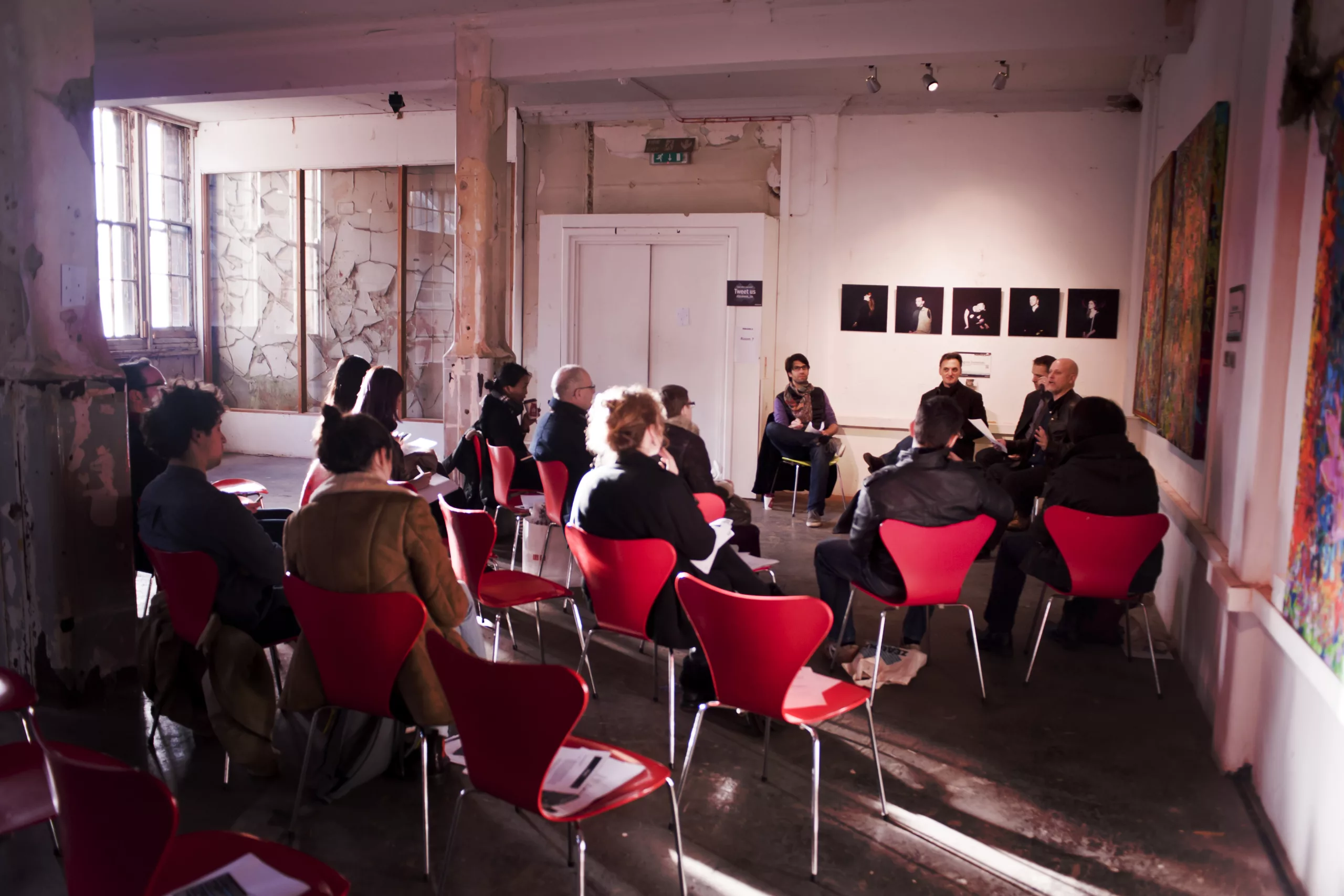
The age of broadcasting to thousands is waning.
Creatives are turning away from algorithm-driven discovery and towards something more human: intimate, IRL networks where trust flows through word-of-mouth, not social feeds.
We’re talking about small, local groups. Think studio collectives, monthly meet-ups, and localised creative gatherings where recommendations carry weight because they come from people you know. According to a 2026 trend report from The Self Hood, creatives are swapping digital burnout for genuine belonging, and it’s fundamentally changing how opportunities are discovered.
This means organisations need to become meaningfully embedded in these communities rather than broadcasting to mass audiences. Think less “launch campaign” and more “build relationships with community advocates who genuinely believe in what you’re doing.”
Your Instagram ad might get impressions, but a personal recommendation in a trusted micro-community gets traction.
Food For Thought:
Which micro-communities do your potential applicants hang out in? How are you building trust within them – not as a brand, but as fellow members of the creative ecosystem?
Want more articles like this?
Give this one a like
2. Transparency is non-negotiable

We’ve moved beyond the era when offering a ‘good prize’ was enough.
Creatives have lived through too many opaque rejection cycles, too many unexplained decisions, too many opportunities that felt like black boxes. In 2026, they’re demanding something different: transparency.
Sharing timelines and judging criteria is the baseline now. Creatives want to understand how the prize actually operates. Who does it serve? What values does it uphold? How are decisions really made? What are its limitations?
After years of submitting work into voids, applicants want insight into the mechanics of the opportunities they’re investing time and energy into. The shift comes from a deeper desire to understand whether an opportunity aligns with their values before they commit.
Prizes that share their mission, mechanics, and even their constraints will earn applications over prestigious opaque alternatives. This includes being honest about things like how many applications you typically receive, what percentage advance to judging rounds, and yes, even acknowledging when budgets are tight or capacity is limited. Transparency also extends to writing clear guidelines with accessible language that doesn’t require a degree to decipher.
Food For Thought:
Could a first-time applicant understand exactly how your opportunity works, what you value, and what to expect at every stage? If not, what information are you withholding – and why? What do candidates ask you year after year you could publish?
3. Creatives build their own prize infrastructure
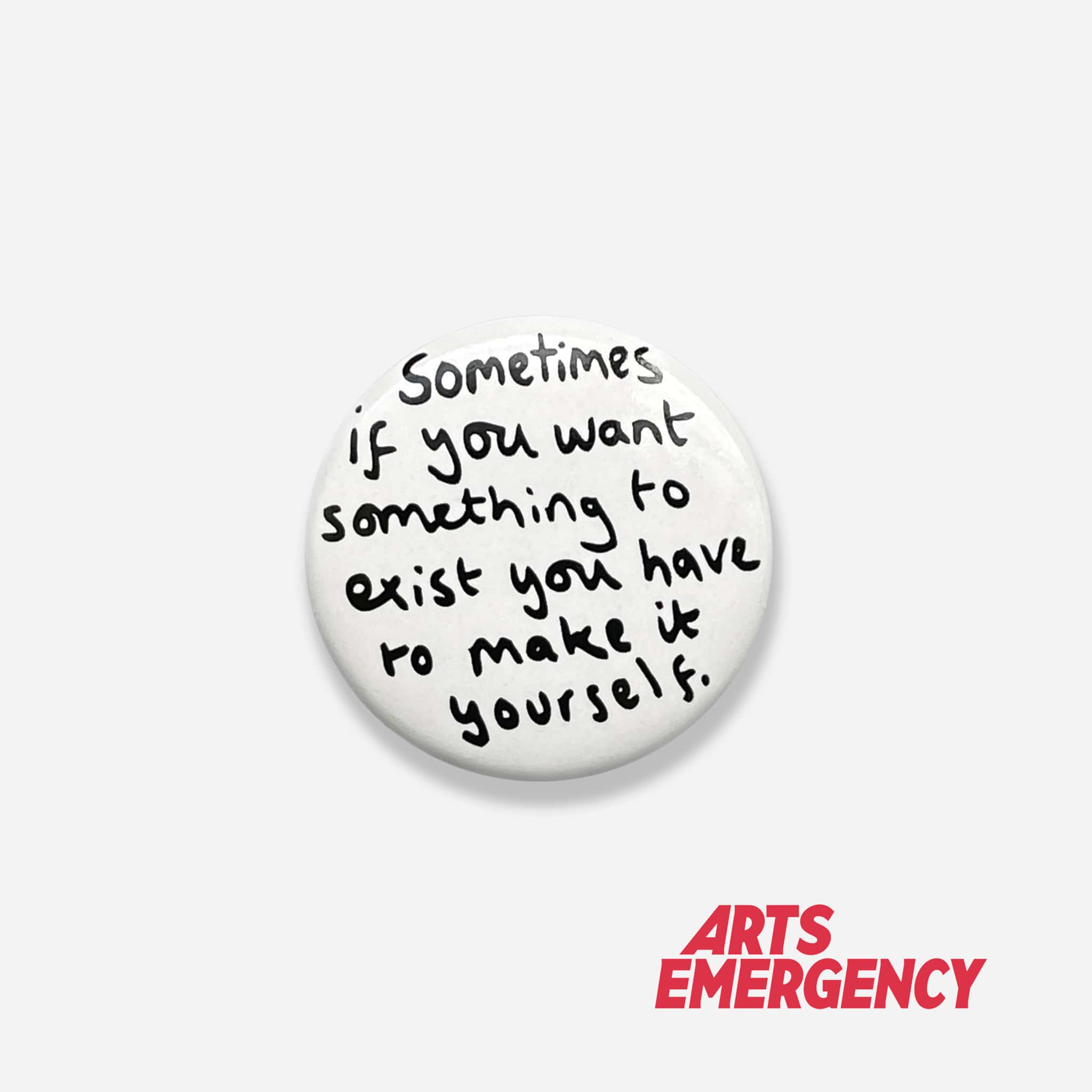
Here’s a depressing economic reality: UK artist earnings are down 40% since 2010, with no signs of recovery. Creatives aren’t waiting idly for institutions to adapt. They’re launching their own prizes, exhibitions, and platforms to diversify income and fill critical gaps the established system has ignored.
With increasingly accessible services to run professional prizes, artists are increasingly self serving. This DIY prize ecosystem is reshaping the opportunities landscape in real time. Artist-led initiatives are creating more niche, values-aligned alternatives to traditional awards – and they’re leveraging their own communities for legitimacy in ways institutions can’t replicate.
Expect grassroots initiatives to compete directly with established prizes, often with more specificity, stronger community connection, and deeper understanding of what emerging creatives actually need (because they are emerging creatives).
The competition pool is fragmenting as well as expanding. But that fragmentation brings specificity and relevance. For example, an artist-led prize for queer ceramicists in the North of England might reach a smaller audience than a national award, but its impact on that specific community is profound.
For established organisations, this means rethinking what legitimacy looks like. It’s no longer just about institutional prestige. It’s about who you serve and how well you serve them.
Food For Thought:
What would it look like to support artist-led initiatives rather than compete with them? Could collaboration replace competition in how we think about the opportunities ecosystem?
Insights like these straight to your inbox
Receive weekly tips from our founder to grow your program’s impact; regardless of what tools you use.
4. Being authentic
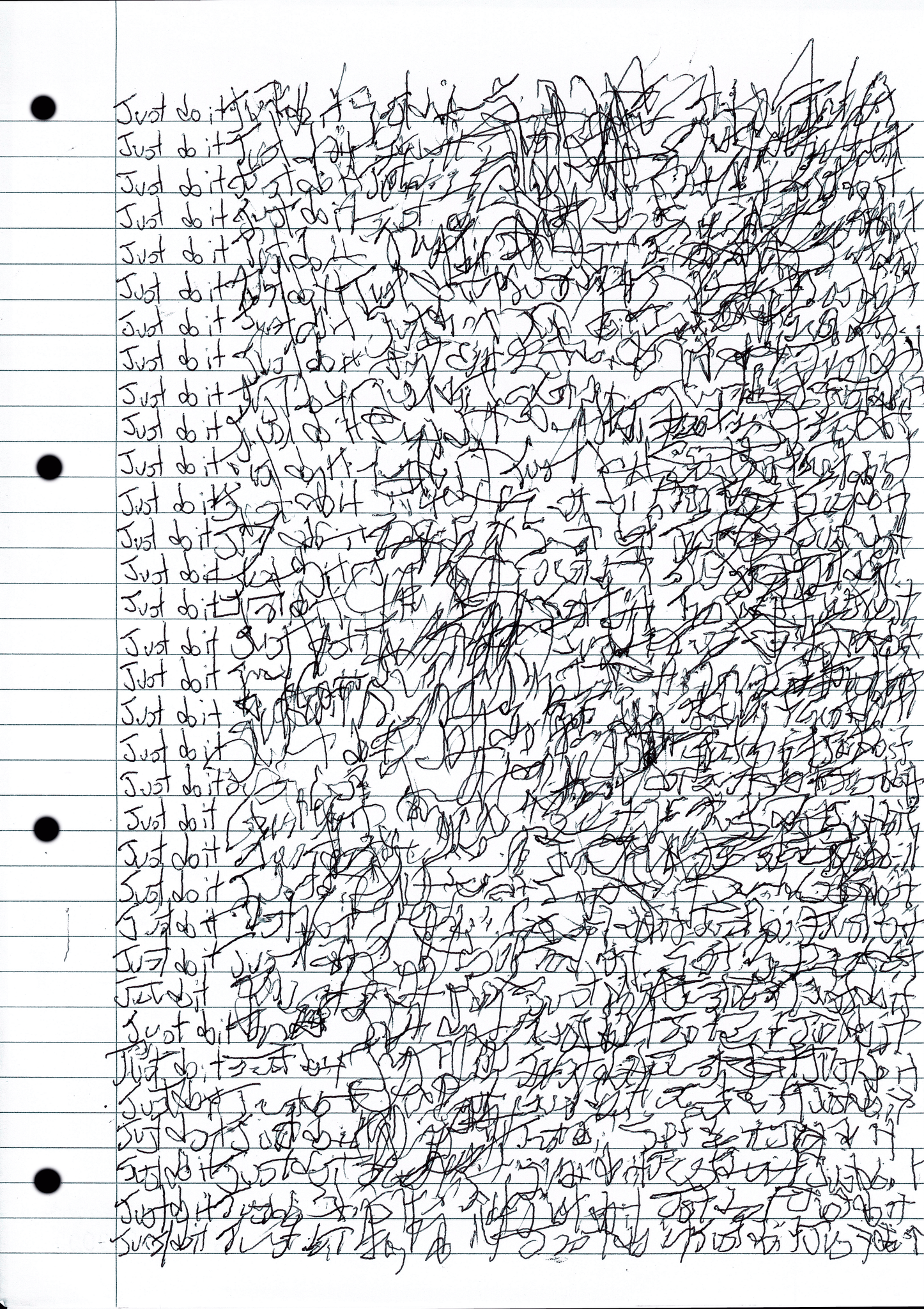
As AI-generated content floods every digital space we inhabit, something interesting is happening: creatives are embracing the opposite. Analogue methods are having their resurgence. Bold unapologetic colour is replacing the minimalism that’s dominated the past decade. And deliberately “messy” authenticity is becoming a badge of honour.
This shift is proof of human authorship. When everything online could potentially be AI-generated slop, visible process becomes valuable and imperfection becomes trustworthy. Hand-drawn sketches and deliberately lo-fi photographs are evidence of a human behind the work. But what does this mean for creative opportunities?
- More traditional media categories: Expect to see printmaking, hand-lettering, analogue photography, and collage making a comeback.
- Human-certified labels: Competitions will need to consider transparency around AI use (if they haven’t already), requiring disclosure of any AI-assisted elements as well as judging criteria.
- Process over polish: Judges are increasingly drawn to submissions with coherence and human authenticity over technical perfection. The ai-generated artist statement might lose ground to the makers tone of voice that reveals genuine curiosity, clear thinking, and an unmistakable presence.
Food For Thought:
How do your opportunities celebrate human process and craft? Are your guidelines creating space for work that’s beautifully imperfect rather than perfectly generic?
5. Creativity without credentials
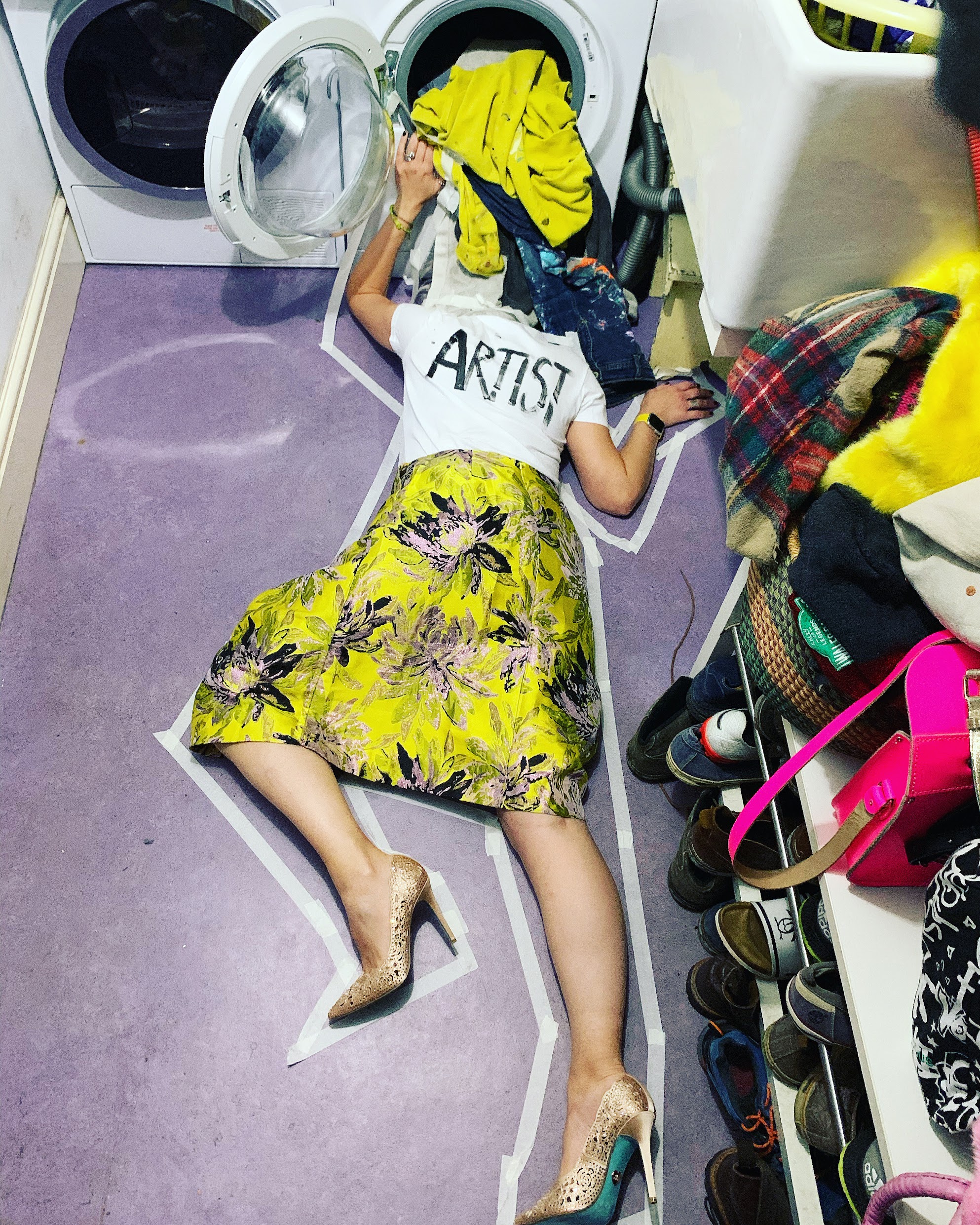
One of the most exciting shifts we’re seeing is a challenge to the question: who gets to be creative?
It’s never been easier to create.
The pandemic showed us that humans are multi-dimensional beings, capable of pivoting and discovering new facets of ourselves. That pendulum is perpetually swinging. More people are taking on creative side-hustles for fulfillment, exploring outlets they’d always dreamed of, or building practices alongside day jobs that pay the bills.
This challenges the gatekeeping around who “counts” as a creative. Interestingly, there’s an overlap emerging: who counts as an organisation, a judge, and creative? The lines are blurring as artist-led initiatives proliferate and the ecosystem becomes more fluid.
The binary of “professional” versus “hobbyist” is changing as most creatives exist in the middle: maintaining day jobs whilst developing serious practices. They’re artists navigating economic reality whilst still deserving recognition for the work they do.
For opportunities, this means treating anyone who creates on a level playing field. It’s about recognising that most creatives live between these categories and can move around at any point in their lives. The industry needs to catch up.
Organisations that lower barriers (no portfolio requirements, beginner-friendly categories, opportunities that celebrate the act of making rather than professionalism) will tap into an audience hungry for validation and connection.
For opportunities, this means making conscious choices. Are you serving professionals, or democratising access? Both are valid, but you need to be clear about who you’re for. And if you’re choosing the latter, that means rethinking criteria, language, and even what ‘excellence’ looks like in awards.
Food For Thought:
What would it mean to create an opportunity specifically for people who don’t identify as “professional creatives”? What barriers would you need to dismantle? Can you create new opportunities to serve both pathways?
6. Collaborative survival networks
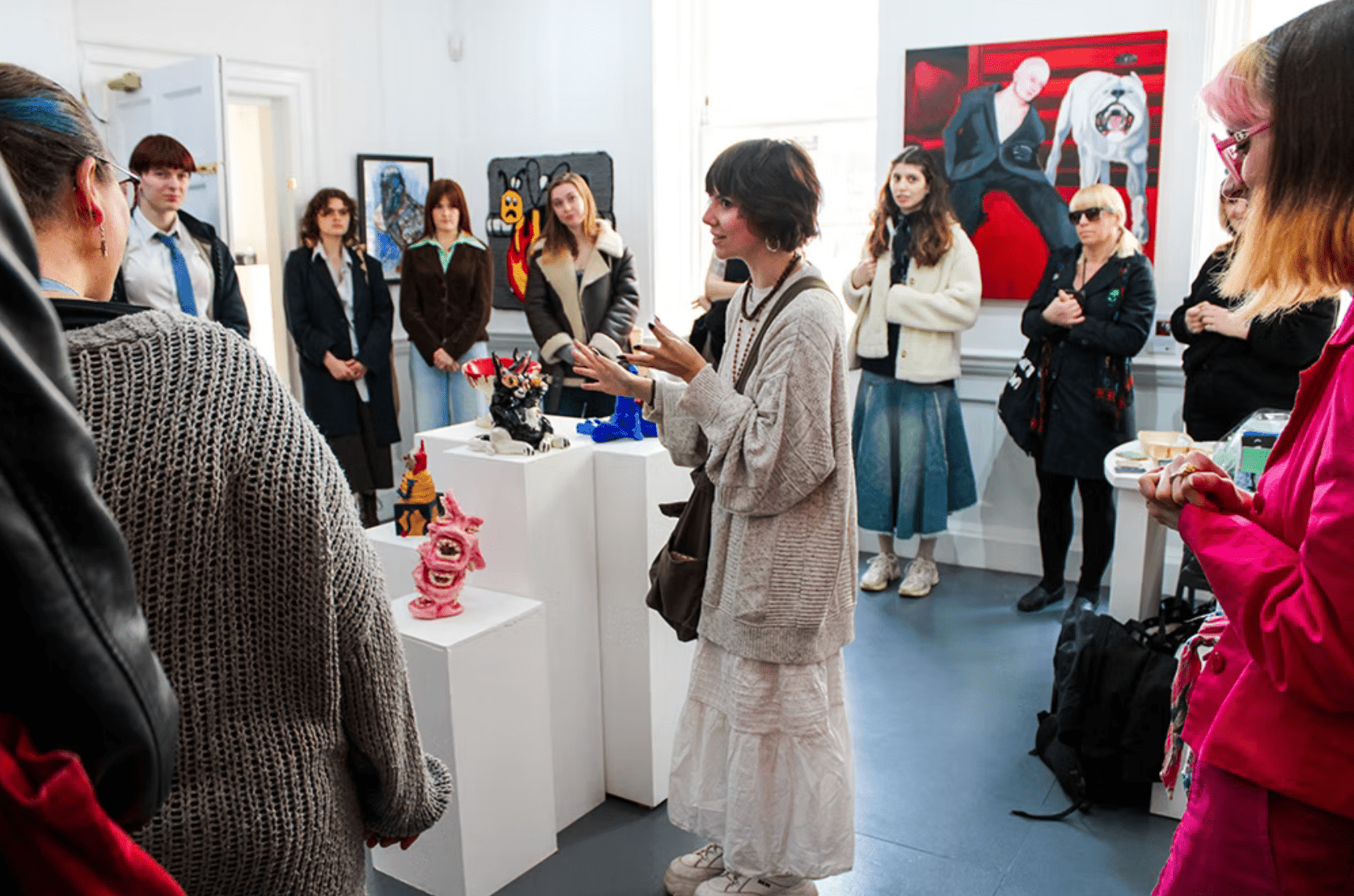
Economic uncertainty forces us to pool resources.
In 2026, organisations and creatives are forming collaborative networks that go far beyond traditional partnerships – mutual-aid infrastructures where resources, audiences, and expertise are shared across multiple entities.
As we identified in predictions for creative opportunities in 2025, co-organised opportunities have continued to grow as a survival strategy. By collaborating, organisations can pool resources together to create opportunities that simply wouldn’t be sustainable to run independently.
The micro-communities from earlier are seeding these collaborations. When you’re embedded in genuine networks, you discover natural partners who share values and audiences. Together, you can create more resilient opportunities that bypass traditional funding models.
For established organisations, this requires vulnerability – sharing budgets, audiences, decision-making power. But it also creates something more sustainable than any organisation can build alone.
Food For Thought:
Who are your natural collaborators – organisations, businesses, or communities – that share your values and serve overlapping audiences? What could you build together that neither of you could sustain individually?
Has much changed since 2025?
Looking back at our 2025 predictions for creative opportunities, what’s striking is not how much things have changed, but rather how the urgency of these points have escalated.
Real relationships have crystallized into micro-communities with actual staying power. AI transparency has sparked a rebellion across the creative industry. Creatives taking the lead has become economic necessity, not just creative aspiration.
The opportunities landscape in 2026 will reward those who earn trust through radical openness and embed themselves in the networks where creatives actually gather.
It’s about being genuinely present, transparent about how you operate, and willing to collaborate rather than compete.
If 2025 taught us anything, it’s that creatives aren’t waiting anymore. They’re creating the opportunities we wish existed. And that might be the most hopeful prediction of all.
Build Opportunities That Earn Trust in 2026
Ready to create prizes and open calls that reflect these emerging values? Zealous helps you run transparent, accessible opportunities that genuinely serve your creative community – with tools designed to lower barriers and build lasting connections.
Want us to write more content like this? Give it a like
Share
Carmela Vienna
Frequently Asked Questions
What are the biggest creative industry trends for 2026?
The creative industry in 2026 is shifting towards micro-communities over mass audiences, radical transparency in prize operations, and artist-led infrastructure. Economic pressure (UK artist earnings are down 40% since 2010) is driving creatives to launch their own prizes and collaborative networks. There’s also a counter-movement against AI-generated content, with analogue methods and visible human process gaining prominence.
What is the micro-community revolution and how does this affect creative opportunities?
Micro-communities are small, intimate, often IRL networks where creatives build genuine relationships based on trust and shared values. In 2026, opportunity discovery is shifting away from algorithm-driven platforms towards word-of-mouth recommendations within these tight-knit groups. For organisations running art prizes and awards, this means visibility now depends less on social media reach and more on authentic relationships within specific creative communities.
How is radical transparency changing art prizes and awards in 2026?
Radical transparency goes beyond sharing timelines and judging criteria. It means revealing how your prize actually operates: who it serves, what values it upholds, how decisions are made, typical application volumes, advancement rates, and even budget limitations. After years of opaque rejection cycles, creatives in 2026 demand full operational insight before committing time and energy to applications. Prizes that share their mission, mechanics, and constraints earn more applications than prestigious but opaque alternatives.
Why are creatives launching their own art prizes and opportunities?
With UK artist earnings down 40% since 2010 and no signs of recovery, creatives aren’t waiting for institutions to adapt. They’re launching their own prizes, exhibitions, and platforms to diversify income and fill critical gaps the established system has ignored. This DIY prize ecosystem creates more niche, values-aligned alternatives to traditional awards, leveraging community for legitimacy in ways institutions can’t replicate. Grassroots initiatives compete directly with established prizes, often with stronger community connection and deeper understanding of what emerging creatives actually need – because they are emerging creatives themselves.
What is the anti-AI rebellion in the creative sector?
As AI-generated content floods digital spaces, creatives are pushing back by reconnecting with what machines can’t replicate: the tactile, the imperfect, the unmistakably human. This rebellion stems from a desire to preserve the essence of making creative decisions that come from lived experience rather than algorithms. Deliberate messiness becomes a badge of authenticity. For art competitions and prizes, this means we might see a shift in more traditional craft categories, and the irreplaceable evidence of a human maker.
How should creative opportunities treat non-professional artists in 2026?
Most creatives exist in the middle of the binaries “professional” versus “hobbyist” – maintaining day jobs whilst developing serious practices. The pandemic showed us humans are multi-dimensional, and more people are building creative practices alongside work for fulfilment. Creative opportunities in 2026 need to treat anyone who creates on a level playing field, which means using accessible language, and rethinking what “excellence” looks like.