The platform hasn’t just produced viral trends and launched careers—it has quietly dismantled long-held assumptions about who gets to be creative, what creative work looks like, and how ideas spread and evolve. From its algorithmic egalitarianism to its embrace of imperfection, TikTok has become an unlikely laboratory for understanding creativity in the digital age.
Authenticity over polish
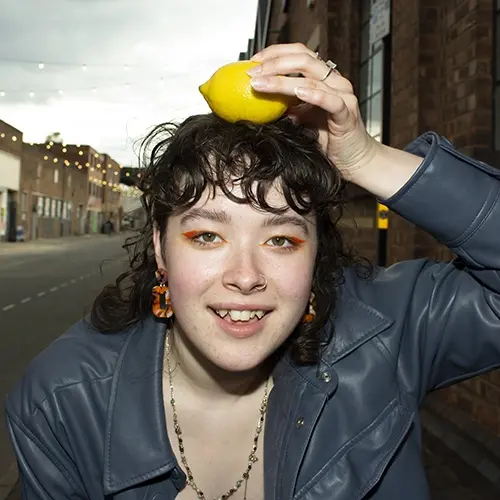
TikTok has validated lo-fi, imperfect content in ways that Instagram never did. The most successful creators often film in their bedrooms with natural lighting. This has shifted what audiences consider “creative”, where rawness and personality can matter more than production value.
The lo-fi aesthetic has also made creativity feel more accessible. When a viral video is clearly shot on a phone in someone’s kitchen, it sends a powerful message: you don’t need special circumstances or resources to create something worthwhile. This has unleashed a wave of participation from people who previously felt excluded from digital creative spaces because they lacked the “right” setup or skills.
Want more articles like this?
Give this one a like
Niche communities thrive
The algorithm’s ability to serve hyper-specific content has allowed incredibly niche creative subcultures to flourish – everything from medieval history reenactors to people who restore old tools. Creativity doesn’t need mass appeal to find its audience.
What’s particularly striking is how these niche communities don’t just consume content – they actively participate in collective creative projects. A single video about a specific historical embroidery stitch might spawn dozens of responses showing modern interpretations, variations, or related techniques. Creativity becomes collaborative and iterative within these micro-communities, with members building on each other’s work in ways that push the entire subculture forward.
Speed of cultural evolution
Trends emerge, mutate, and fade within days or weeks. This compressed timeline shows how quickly creative communities can develop shared language, references, and aesthetics when the feedback loops are tight enough.
The compressed lifecycle of trends reveals something fascinating about how creative communities actually work. When the feedback loop is tight enough, when you can post an idea, see responses within hours, iterate based on those responses, and post again the same day, culture evolves with remarkable speed and sophistication. A dance trend doesn’t just spread; it mutates. Each creator adds their own flourish, and the most compelling innovations get absorbed into the next wave of videos. Within days, the trend has passed through what might have taken months or years in slower media.
Although this can sometimes be overwhelming, there is also a sense of excitement. What inspiration am I going to get today? Who will appear on my feed? What am I going to learn?
Monthly Insights
Creative insights straight in your inbox
Learning new skills
Perhaps one of TikTok’s most unexpected contributions has been its transformation into a mass education tool. The platform has proven that learning doesn’t require lengthy tutorials or formal instruction – sometimes 60 seconds is enough. Users have learned to explore new mediums, new artists, and even how to navigate being a creative, all through bite-sized videos that feel more like entertainment than education.
What Comes Next
TikTok’s lessons about creativity extend far beyond the app itself. Whether the platform continues to dominate or eventually fades, it has permanently altered our understanding of what creativity looks like in the digital age and who gets to participate in it.
The app has shown us that creativity flourishes when barriers fall away: when you don’t need expensive equipment, formal training, or existing fame to share your ideas with the world. It has demonstrated that constraints, whether in time or format, don’t stifle creativity but often ignite it. It has proven that audiences crave authenticity over perfection, that niche passions deserve space alongside mainstream content, and that collaboration and remix can be just as creative as pure originality.