This article covers:
There’s no doubt that the creative industry has a burnout problem. In a precarious cycle of separating work from worth, internal forces such as perfectionism, imposter syndrome and the pressure to constantly prove yourself are emotions that creatives grapple with constantly.
The cracks are showing through vulnerable social media posts, honest conversations about financial strain, creatives naming exploitation for what it is. Which begs a couple of questions – are systemic power imbalances making creative careers unsustainable? And is creative career burnout inevitable?
The pressure of being constantly visible
One place to start this conversation is within the realm of being online. When the algorithm rewards your face, your voice, your process, and your vulnerabilities, it becomes almost impossible to know where creativity ends and content begins. This is identity fusion – when work stops being something you do and becomes something you are. Attach your self-worth to your output, and every slow month, ignored pitch, or piece of work that didn’t land becomes a verdict on you as a person.
A lot of us are navigating inconsistent income, pressure to stay visible, and the expectation to constantly produce.— Joke Amusan
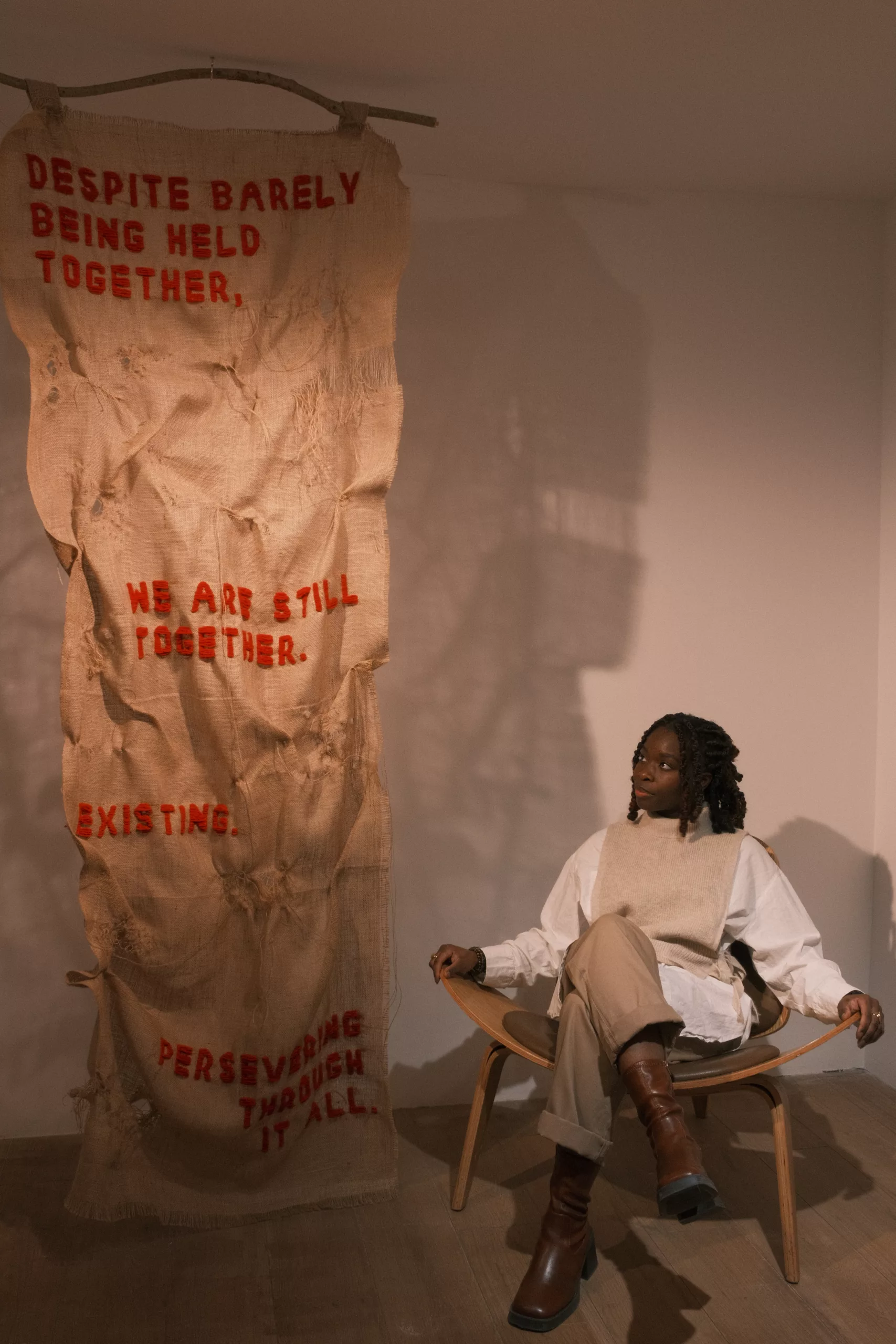
London-based artist Joke Amusan describes this pressure directly: “There’s a constant pressure to prove yourself – especially for me as a Black woman in the industry. Perfectionism has made it hard to rest because there’s always the feeling that I could be doing more and better.”
Social media has turbocharged this. In a field where showing up online has become a discipline of its own, the pressure to stay visible, to post consistently, to maintain a personal brand that communicates both expertise and relatability, is now an unpaid second job running in parallel to the work. This aspirational labour disproportionately affects those already navigating precarious employment in the creative sector, and it exhausts those who were already running on empty.
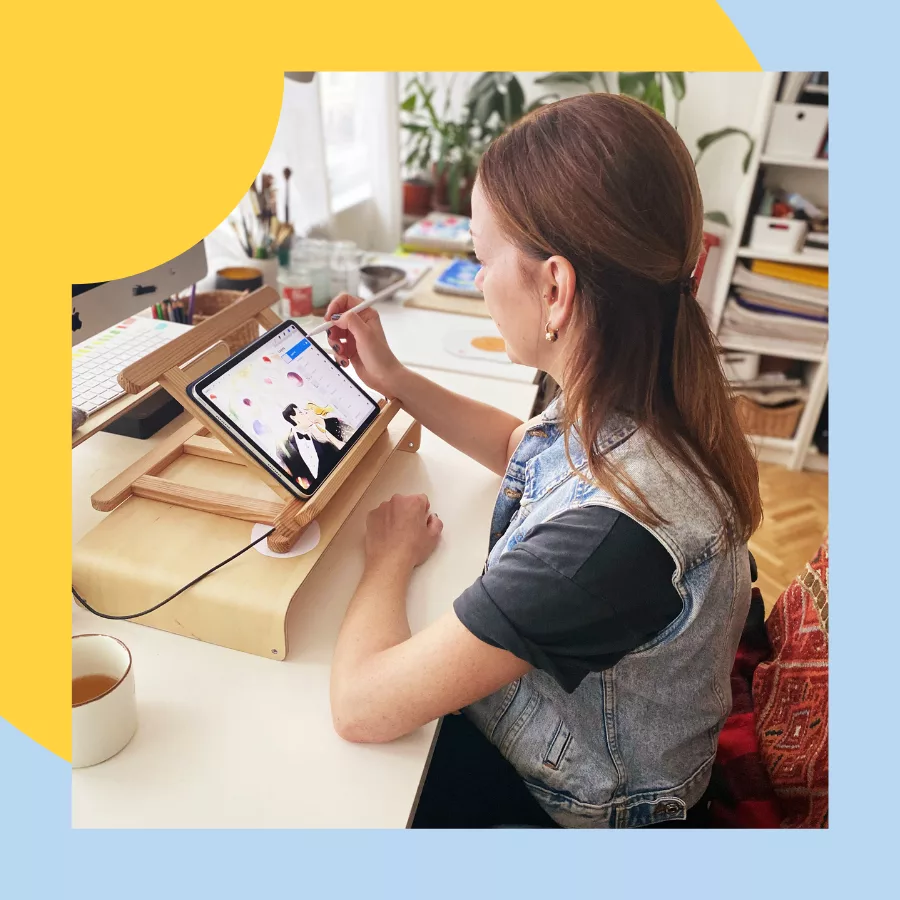
Budapest-based Illustrator Gabriella Szendrey adds: “Impostor syndrome is a natural consequence of an artificial environment that dehumanises creativity and where goalposts are constantly moving. Even when I know that the hype is not real, the pressure and the noise remains.”
Want more articles like this?
Give this one a like
The freelance economy
For freelancers who make up a significant portion of the creative workforce, there is no HR department to escalate to, and no structural protections beyond what you are able to enforce yourself. This is where the passion principle becomes dangerous: because you love what you do, passion becomes the mechanism through which labour gets devalued. Gabriella calls this the ‘cool tax’: “Expecting time, work and gratitude in exchange for exposure, as if visibility covers the rent.” It shows up as scope creep, chasing unpaid invoices, ghosted contracts, and the slow erosion of professional standards dressed up as industry culture.
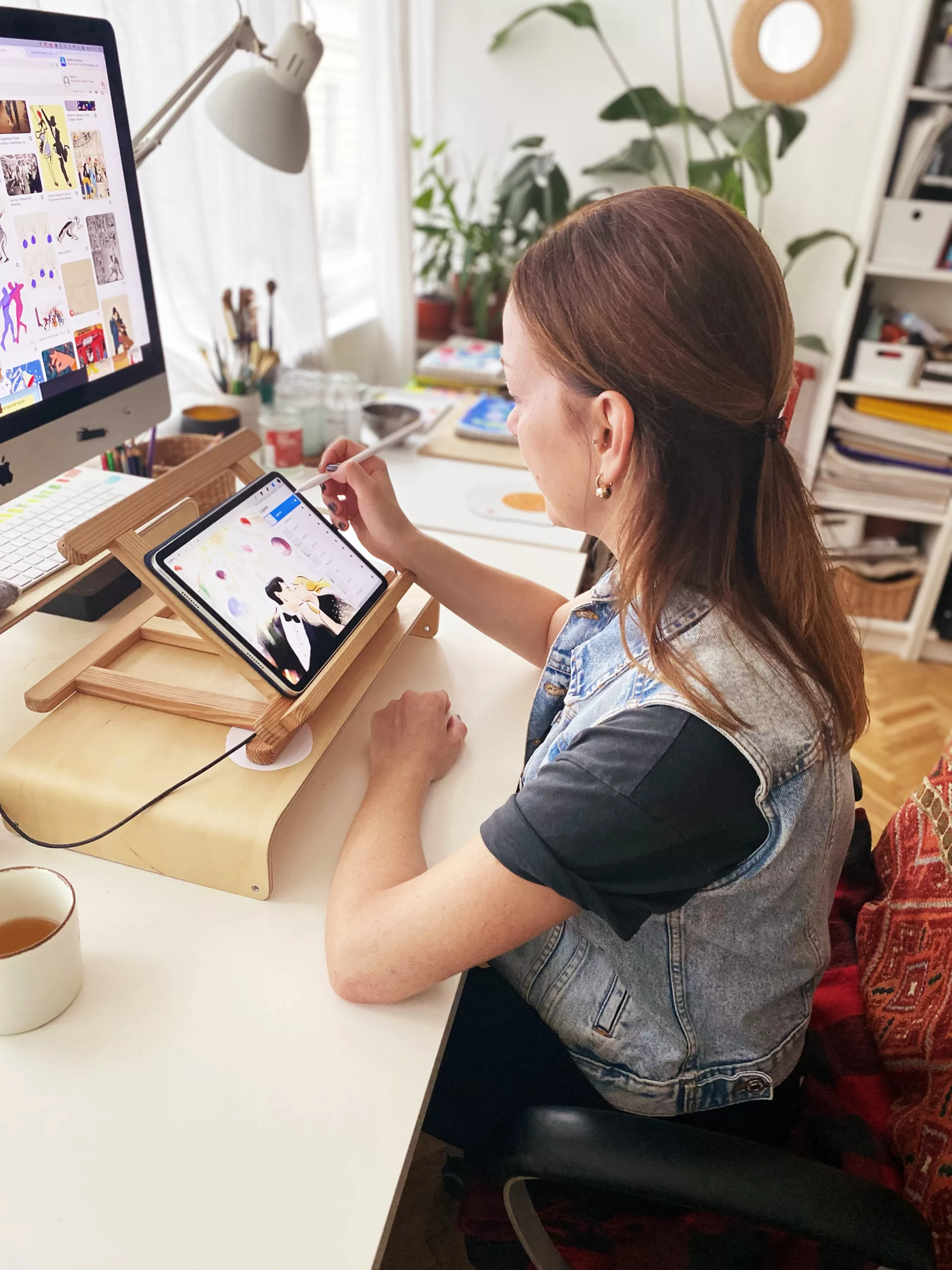
Which is why the act of setting limits – protecting your time and asking for a contract, can feel less like self-preservation and more like a provocation. Gabriella describes what happened when she did exactly that: “When I started out, I had no problem calling out BS and walking away if needed. My conviction that fairness exists was unshakable. But then there was a project where I set boundaries and it came with a backlash and losses I was not prepared for. That was when the cumulative stress hit all at once. I lost my conviction. I didn’t want to go near my workstation. I used to love my work, but suddenly it all felt tainted.”
Gabriella highlights this catch-22: “The moment you name the imbalance and set a boundary, you become the problem. Mentioning advances and contracts to them is like garlic to a vampire. Ghostings will happen. The emotional whiplash remains, but the loss is theirs to carry.”
Undervalued, overextended, and expected to be grateful
What makes this particularly corrosive is the effort-reward imbalance – a well-documented driver of occupational burnout, where the energy going in consistently outstrips what comes back. Joke describes it plainly: “There have been seasons where I’ve overworked and poured so much into my work emotionally, physically, and creatively, but the return didn’t match that energy. It can feel like you’re constantly giving without being refilled, which is exhausting.”
Gabriella reframes this structural dimension: “Burnout is the result of unaddressed power asymmetry within a hierarchy marketed as industry culture, where commiserating about running on empty without a change in sight is the norm… Add the expectation to be grateful for the challenge, and if you ask for help, platitudes, blame shifting or LinkedIn reframes are on offer.”
In my experience burnout is a relational and structural problem made personal.— Gabriella Szendrey
This is also a kind of cruel optimism – the attachment to an idea of creative life that keeps people inside a system that is slowly grinding them down. You stay because you love creating, but you stay too long when the return doesn’t match the input.
The self-help industrial complex
And yet the dominant response to all of this remains stubbornly personal. Journal more. Rest more. Learn to say no. Set boundaries. The implication is always the same: burnout is something that happens to you because of how you managed yourself – not because of what the industry demanded of you.
The conversation about burnout has itself become an industry, complete with resilience webinars, coaching packages for artists, and Instagram carousels about protecting your energy. None of this is without value, but all of it is aimed squarely at helping individuals cope better within a system that remains largely unchallenged.
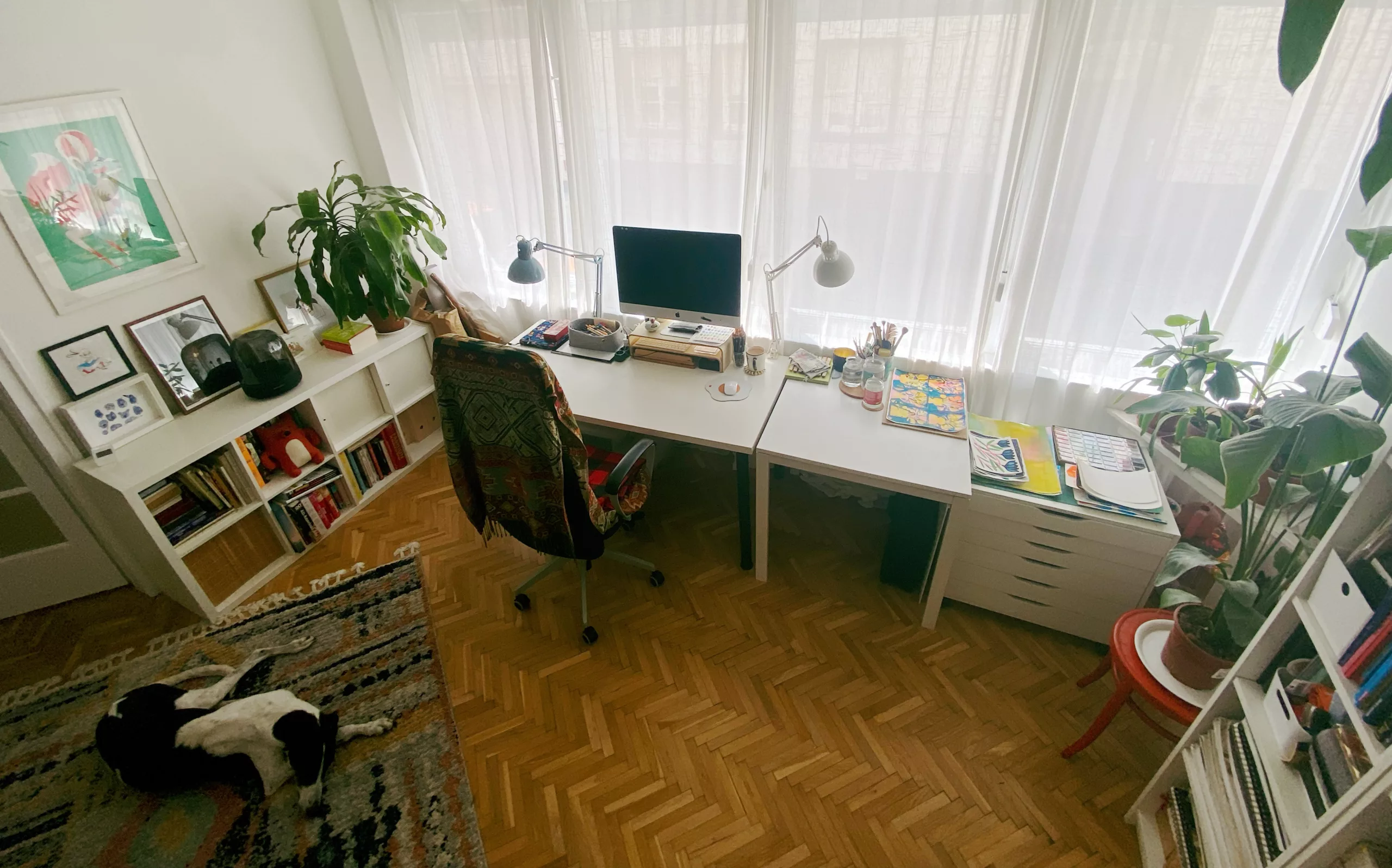
Gabriella cuts through this: “Burnout is still too often framed as a personal failing, and the power imbalance coming from the silent hierarchy remains untouchable. It’s funnelled into a self-help problem: breathe, journal, be positive, smile, let it go, patch it up, adapt and try harder. I can’t journal my way out of the emotional and mental burden of being repeatedly dehumanised and stolen from.” The industry keeps moving regardless, whilst the person carrying the weight attempts to lessen burnout symptoms through a mindfulness app.
Free account
Be a part of our creative community
Creating more noise
In the spirit of healthy responses, Gabriella encourages creatives to have more dialogue: “The real question isn’t how to cope better. It’s how to name what’s actually happening, and how to build something that doesn’t require us to break.”
For Gabriella, that building happened gradually and across borders. After facing burnout in Hungary where the system wasn’t built to support her, she began shifting her focus to international clients. “Exploitative practices and flaky people exist there too, but I’ve found a really strong support system, and some incredible clients and collaborators, who gave back my hope that there are indeed pockets of safety, where work is a mutually respectful and professional experience.” Gabriella’s experience is a reminder that speaking out can attract a good support system, and that you can find and build conditions where good work is possible.
And increasingly, creatives are starting to do exactly that. There’s a discernible shift, particularly over the past few years, where the highlight reel is being replaced by something rawer: artists sharing rejection, burnout struggles, and financial strain. The rhetoric is changing. What hasn’t changed yet is the structure underneath, and the gap between the two is where people keep getting hurt.
Healthy responses to unhealthy situations, such as anger, grief, sadness, withdrawal and exhaustion get pathologized as personal failings.— Gabriella Szendrey
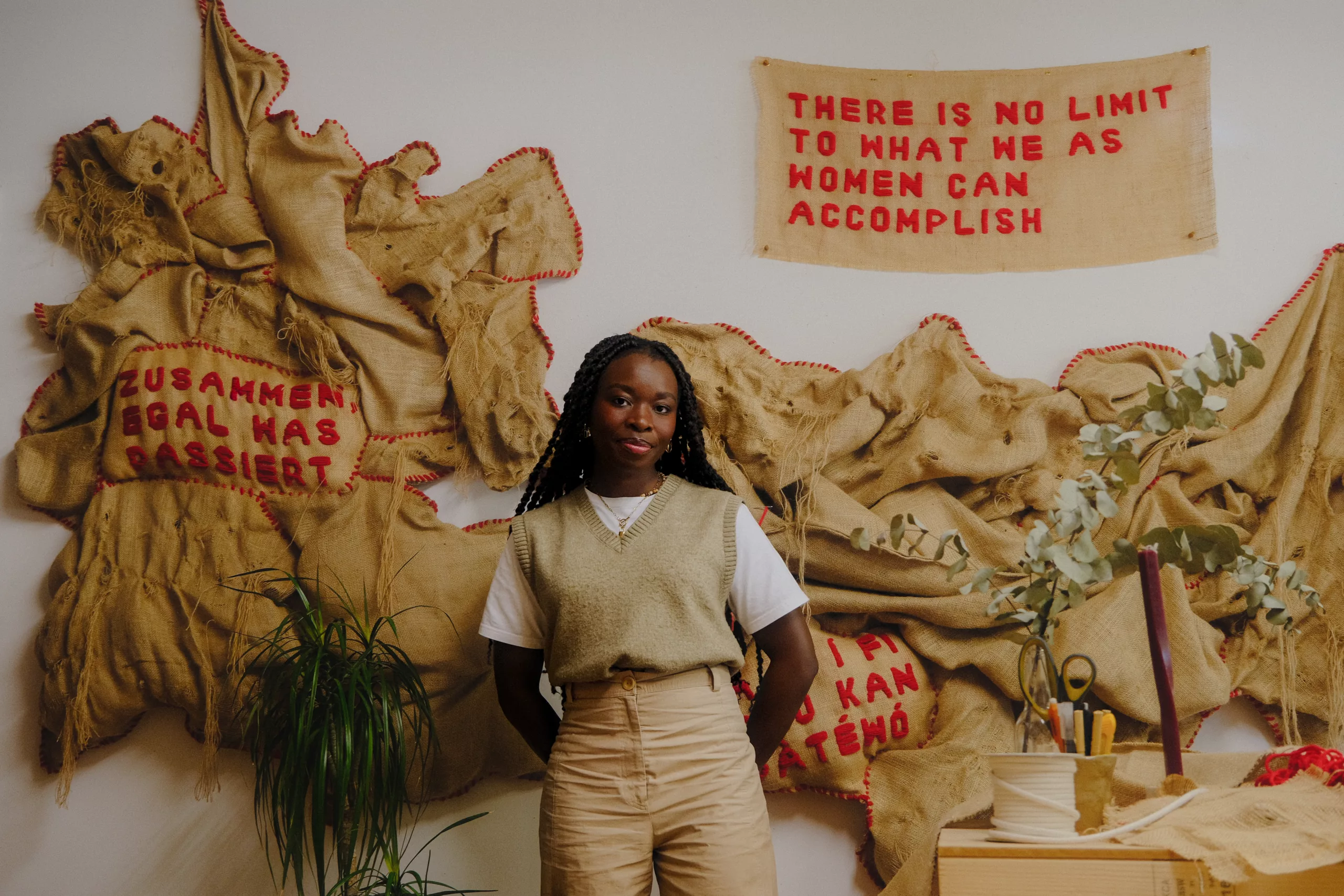
Joke’s call is for more honesty around creative burnout: “When we don’t speak openly about the harm it causes, it continues to be normalised. This leaves us creatives to internalise something that is often much bigger than us. Having more honest conversations about things such as value, sustainability, and fair compensation is essential – not just for individual wellbeing, but for the longevity of the creative industry as a whole.”
The structural isn’t personal
So where does that leave us? Somewhere between individual agency and collective pressure – and the good news is that the two aren’t mutually exclusive.
Knowledge is a form of defence. Understanding your legal rights, knowing what a proper contract should look like, understanding licensing and intellectual property: these are crucial fundamentals for creatives to have in their toolkit. Joke puts it plainly: “Learning to price my work properly, diversify my income, and set boundaries has been part of protecting myself from burnout. I wish more people talked about the importance of balance earlier on, and that we don’t have to burn out to prove that we’re committed.”
But individual knowledge can only take you so far inside a system structurally optimised for taking. The longer-term project is naming the imbalance (not as a LinkedIn lesson or a trauma-informed rebrand) but as an account of what the creative industry costs the people inside it. As Gabriella says: “Your anger, exhaustion, withdrawal and clarity are not pathologies. They are evidence.”
The question was never whether burnout is a personal problem or a structural one. But we have spent a very long time treating the structural as though it were personal, and handing the bill to the people least equipped to pay it. That particular imbalance is overdue for a reckoning.
About Joke Amusan
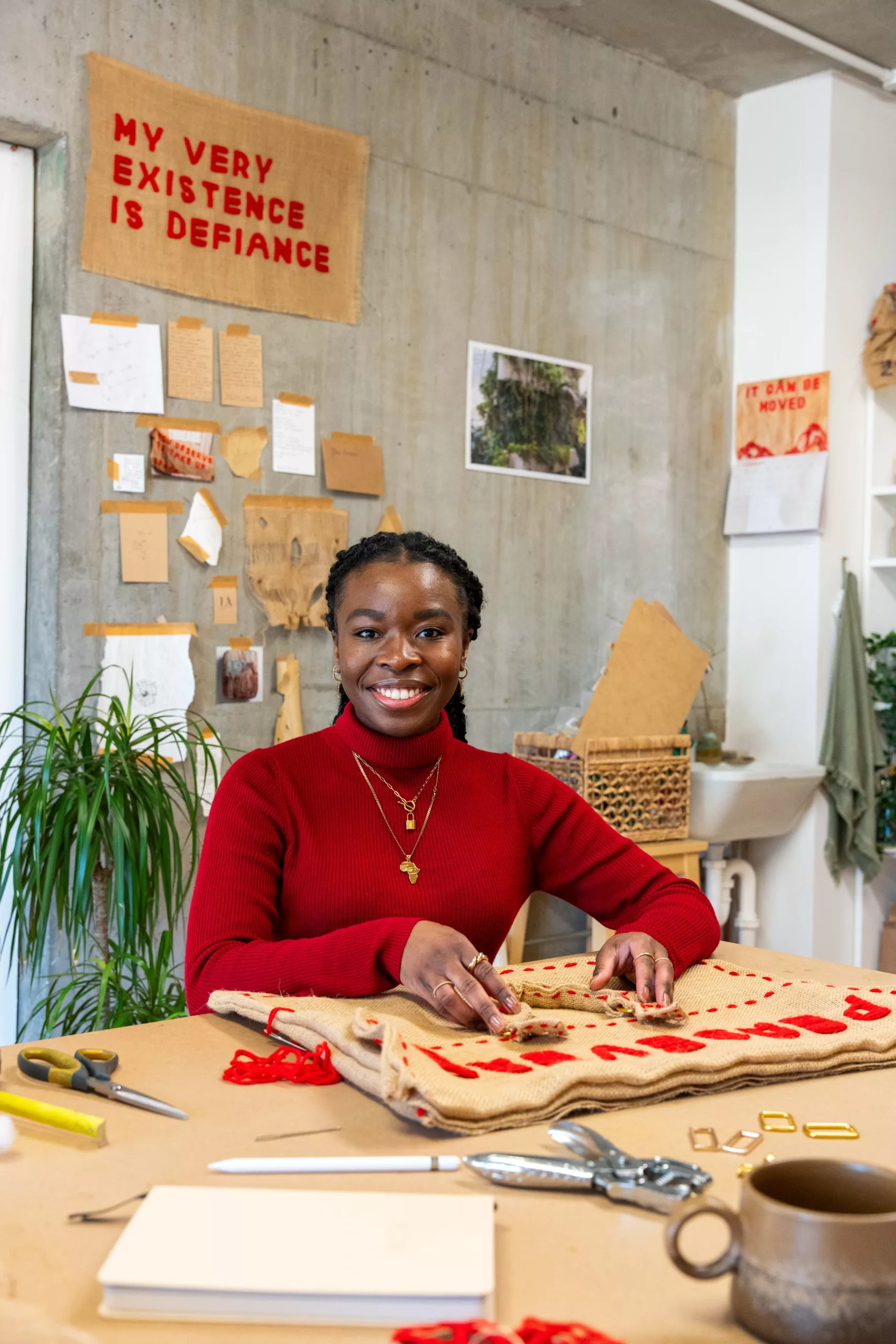
Joke Amusan is a German-Nigerian artist based in London, England. Her art practice illuminates the rich and multifaceted experiences of Black womanhood. Through her exploration of identity, heritage, and migration, she creates immersive installations and sculptures that engage multiple senses. Her art serves as a conversational bridge: inspiring women to come together, share their stories, and unapologetically embrace their authentic selves.
You can find more from Joke on her website, Instagram and TikTok.
About Gabriella Szendrey
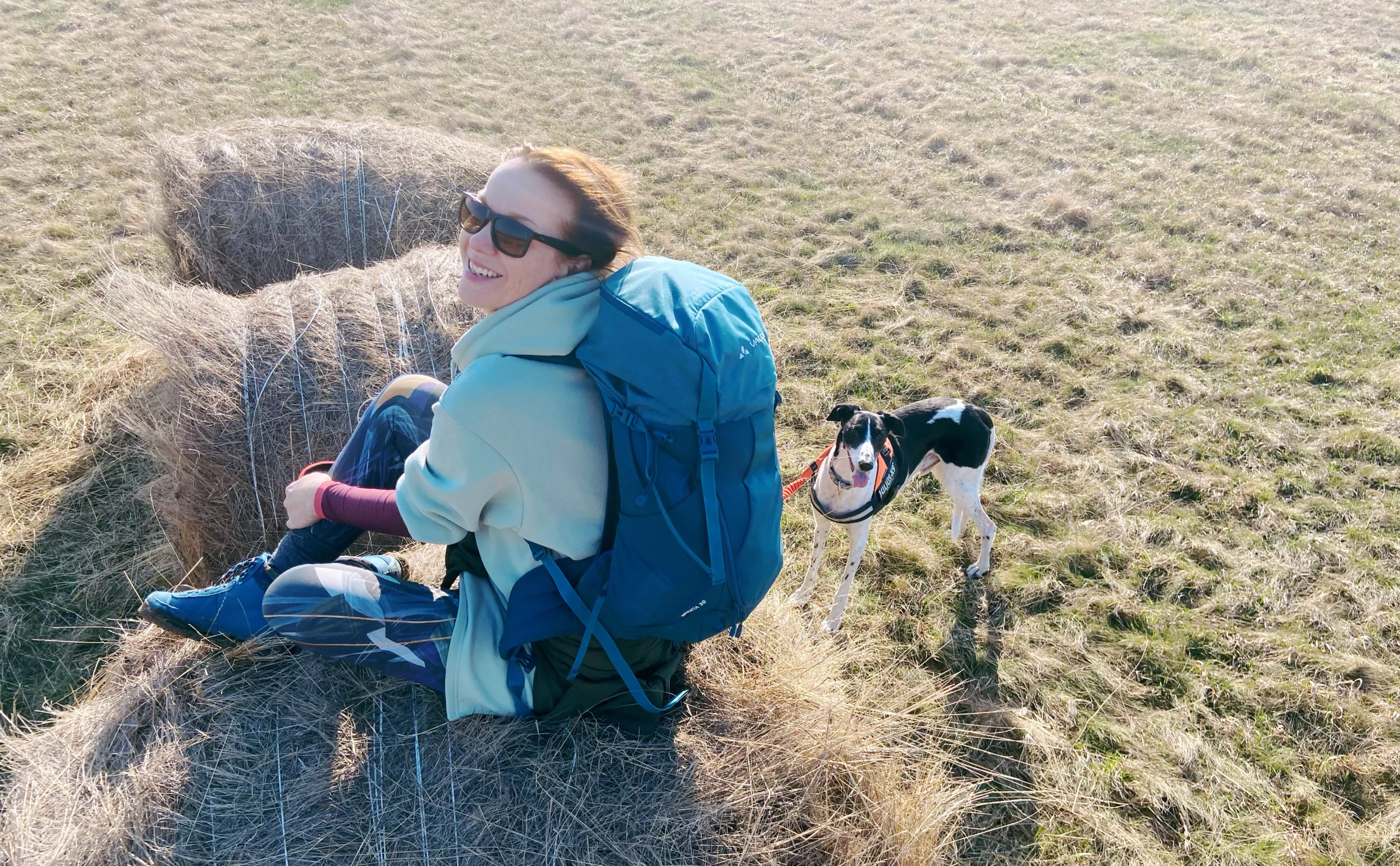
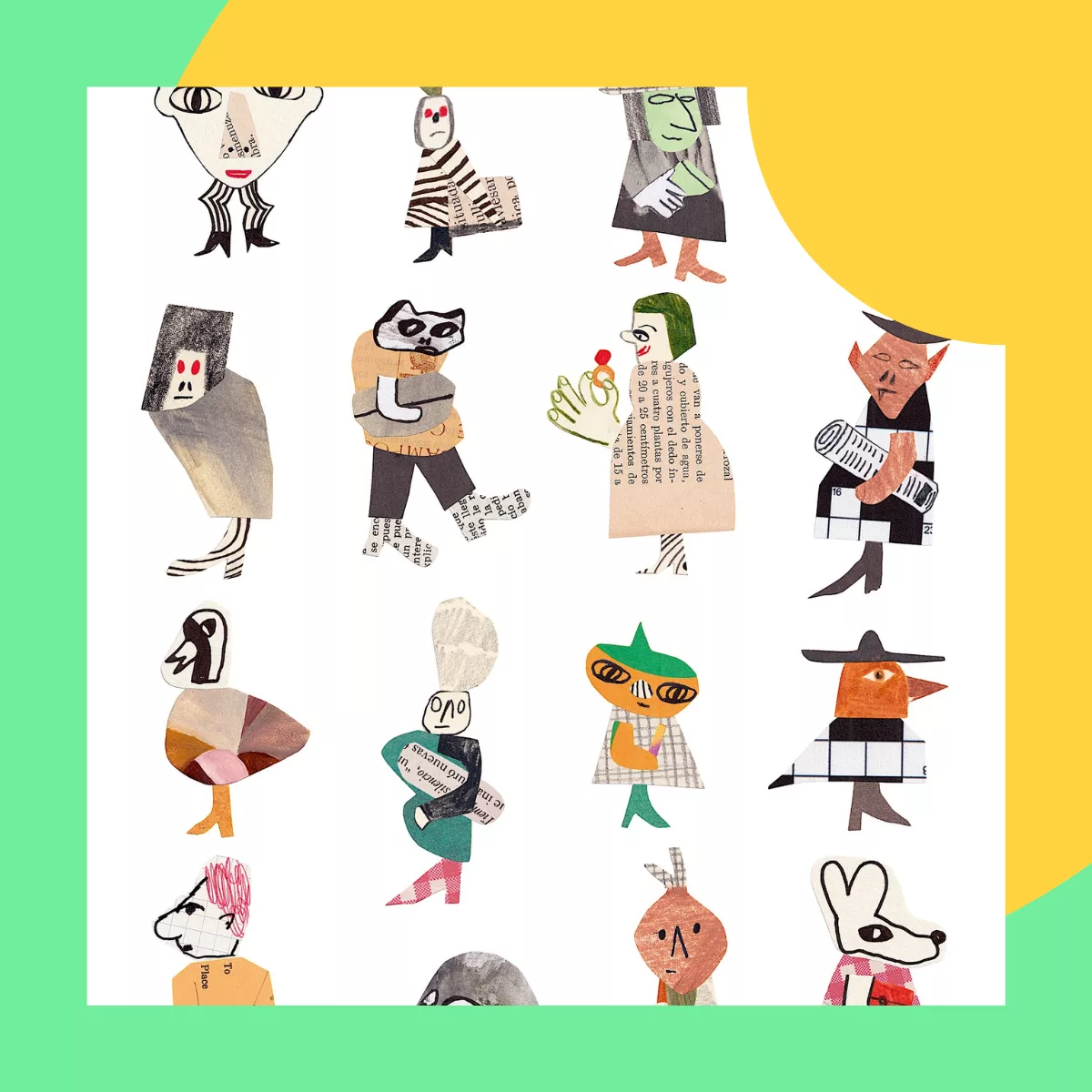
Gabriella Szendrey is an illustrator, art director and visdev artist currently living and working from Budapest, Hungary. Working as a graphic designer and art director for over 15 years on projects from commercial advertising to tattoo design, in recent years Gabriella has transitioned into illustration with a focus on children’s publishing, character design and picture books.
You can find more from Gabriella on her website, portfolio and Instagram.
Want us to write more content like this? Give it a like
Share
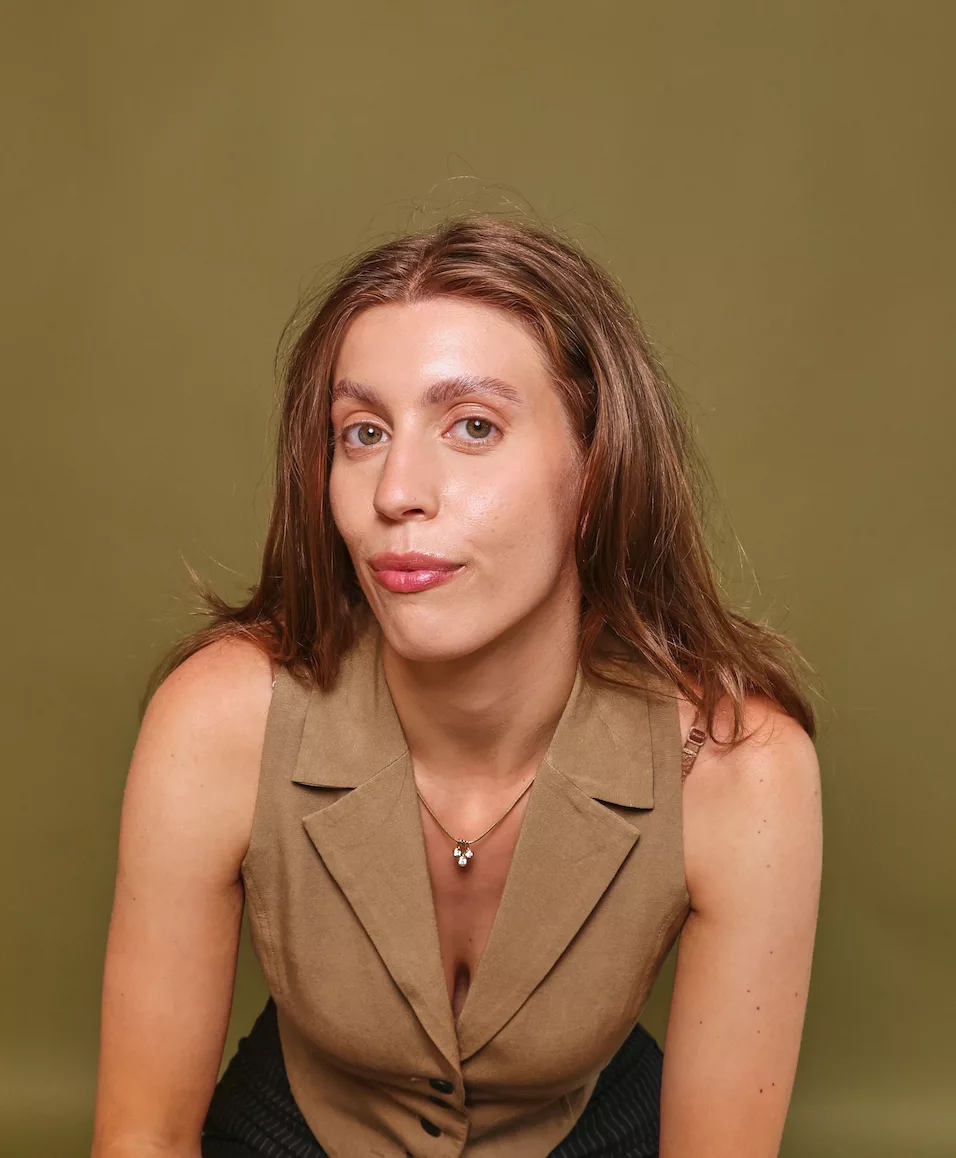
Carmela Vienna
Frequently Asked Questions
Is burnout more common in the creative industry than other sectors?
Yes. The 2024 Mentally-Healthy Survey found that 70% of professionals in media, marketing and creative sectors reported burnout in the past year, compared to 53% of workers overall. Researchers point to structural factors unique to the creative industries, including precarious freelance contracts, passion exploitation, and the pressure to maintain constant online visibility as key drivers.
What is passion exploitation and how does it affect creatives?
Passion exploitation is when a worker’s enthusiasm for their field is used, often unconsciously, to justify lower pay, unpaid work, or poor conditions. For creatives, this shows up as working for ‘exposure,’ scope creep, and the expectation to be grateful for opportunities regardless of whether they are fairly compensated.
How can freelance creatives protect themselves from burnout?
Knowledge is a practical defence. Understanding your legal rights, using written contracts, knowing how to price your work, and understanding licensing and intellectual property are all fundamentals worth investing in early. Diversifying income streams and building a peer support network also help create resilience against the structural instability of freelance creative work.
Equally important is recognising that burnout is not a personal failing. Naming what’s happening to peers, in public, and in professional conversations is part of how the industry begins to change.
What is aspirational labour in the creative industry?
A term coined by sociologist Brooke Erin Duffy, aspirational labour refers to the unpaid, largely invisible work creatives do to build an online presence (posting consistently, engaging audiences, maintaining a personal brand) in the hope it eventually translates into paid opportunity. It functions as a second job with no guaranteed return, and disproportionately affects those already in financially precarious positions.
Why do creatives struggle to set boundaries without professional backlash?
In industries where passion is expected and exploitation is normalised, asking for a contract or declining additional unpaid work can be perceived as being “difficult.” This is especially true in freelance contexts where relationships are informal and there is no institutional protection. The power asymmetry between commissioners and creatives means that the person setting the boundary often bears the professional and financial cost of doing so.
Where can I read more about creative burnout on Zealous?
Zealous has covered the topic of burnout from a number of angles. For practical guidance, 5 tips to live a more creatively holistic lifeand how to apply to creative opportunities without burning out are both worth bookmarking. For something more personal, Hana Walker-Brown’s story of moving from burnout to hope is a candid account of what recovery can actually look like.